 |
|||||||||||||
|
|||||||||||||
 |
|||||||||||||
|
Click
HERE for a Regional Trail Map of
the Basin (13.26MB pdf file) – Click
HERE for a local trail map of
the Wildlife Reserve |
|||||||||||||







|
Join us for the Dawn Patrol or 4th Saturday Weeders at the Sepulveda Basin Wildlife Reserve!
Dawn Patrol: Every Tuesday and Thursday from 6:30-9:30am 5/18/24 (3rd Saturday due to Memorial Day) 6/22/24
If you can’t make it at 7:00am, we should be just off a path near
the pond. Meeting Location: Sepulveda Basin Wildlife Reserve Dirt parking lot beneath the Big Pine (restrooms located nearby).
We hope you'll be able to join us and please forward this website to anyone you think might enjoy the opportunity to get outside, meet a great group of people, help the environment, and/or learn about flora and fauna (all while ripping up some invasive plants, which for simplification we call ’weeds’).
Interested in being on the mailing list or volunteering on a different Saturday/own your own (weeding or picking up garbage)?
What to bring: Gloves and tools if you have them- we do have some extras. We also recommend you bring water, snacks and sunscreen, and wear a hat, long sleeves and pants for protection.
Our goal: The California Native Plant Society (CNPS) has an ongoing invasive plant removal effort throughout California. Our goal, as the 4th Saturday Weeders (you don’t have to be a member of CNPS), is to improve the habitat of the Sepulveda Basin Wildlife Reserve by removing invasive plants. We find that if ‘weeds’ are removed consistently for three years Native Plants are able to establish themselves (and the ‘weeds’ are much more controllable). We have a lot of expertise on the plants and have been able to make an important contribution to the Wildlife Reserve over the past 12 years!
Click HERE to read about ongoing revegetation activities in the Wildlife Reserve.
Sunday, April 7, 2024,
8am
Tuesday, May 28, 6:30pm -9pm In Person
Free Guided Tours of the Sepulveda Basin Wildlife Reserve |
||
|
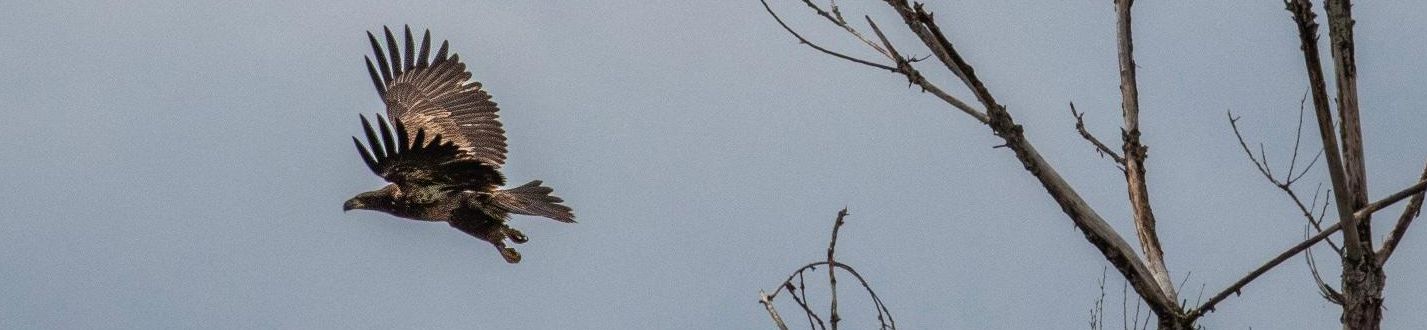
Interesting, we lose an eagle (below) and gain a juvenile bald eagle (?). Photo by James Baker on February 27, 2023.
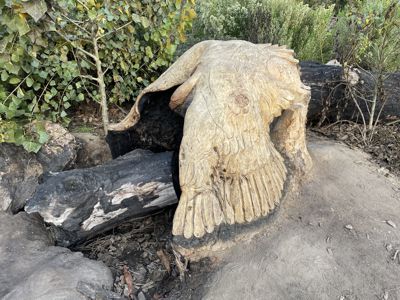
SAD NEWS. VANDAL TORCHED PETE'S EAGLE
No Longer There.
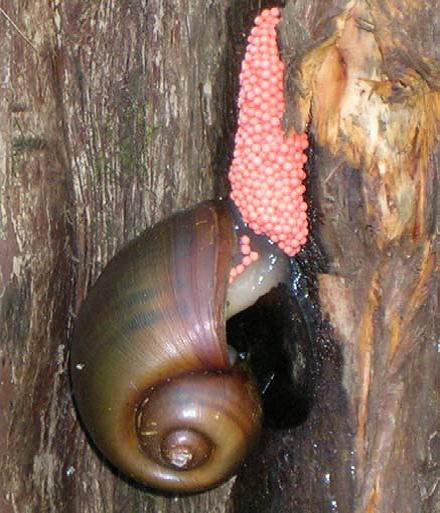
We have discovered the Channeled Apple
Snail which is a non-native invasive mollusc that lays pink eggs.
Great Photography - Sepulveda Basin Wildlife Reserve - By Joe Doherty
iNaturalist Observations in the Sepulveda Basin
Sepulveda Basin Encampment
Cleanups January 2020
https://abc7.com/society/sepulveda-basin-encampment-cleanup-enters-final-phase-/5825852/
https://patch.com/california/encino/cleanup-sepulveda-basin-homeless-camps-targets-remaining-group
Short ABC7 video about volunteers
in the Wildlife Reserve
Wildlife Sightings and
Conservation
|
|||||||||||||||||

About the Sepulveda Flood Control Basin |
||||
All property within the Sepulveda Flood Control Basin is owned by the Los Angeles District Corps of Engineers, but more than 80% of the land is leased out for recreational and agricultural uses. Sepulveda Dam, completed in 1941, is a dry-land reservoir, with the purpose of controlling runoff from nearby San Gabriel, Santa Monica, and Santa Susana Mountains.
Besides the Encino and Balboa golf courses, the Balboa Sports Complex, and the model airplane field, most of the Basin was devoted to agriculture (corn and then sod farms). In the mid-1960’s, Burbank Blvd. was extended across the Basin. In the 1970’s the City of Los Angeles Bureau of Sanitation built the Donald Tillman Water Reclamation Plant within the Basin (over the objections of the Corp of Engineers). |
||||
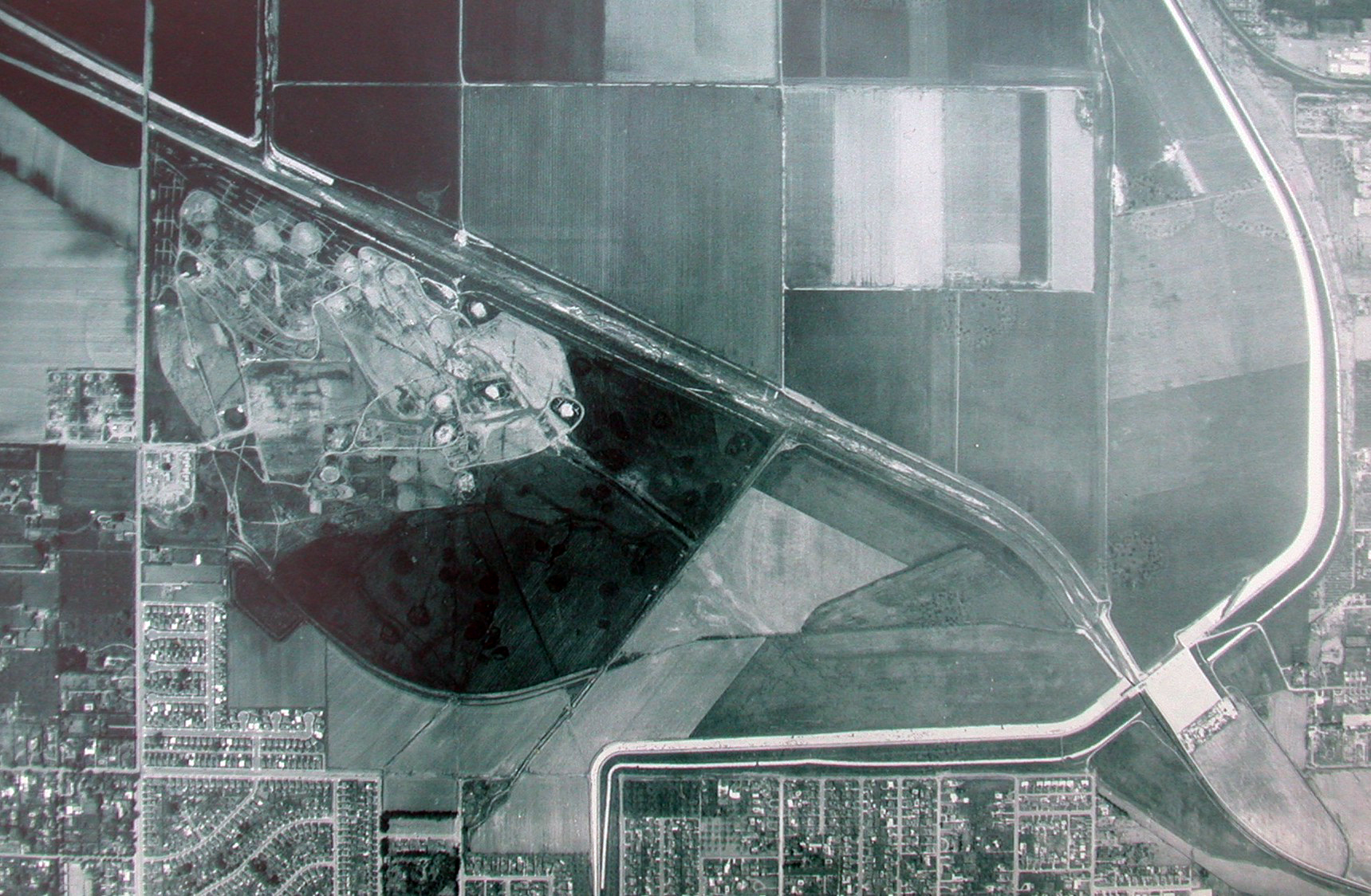
In March of 1981, a revised Master Plan for the area was adopted. At the time, of the 2,150 acres in the Sepulveda Basin, approximately 1,060 acres were committed to recreational uses. The updated Master Plan designated an additional 540 acres for future recreational uses. Included in the plan are provisions for the commitment of approximately 220 acres of land to informal park space, 120 acres for development of a recreational lake, 108 acres for a wildlife management area, and 60 acres for an “arts park” that has been subsequently redesignated for a “sports complex” (the area west of Balboa Blvd. just north of the Los Angeles River. |
||
The Master Plan also tried to minimize adverse environmental effects and recommended “designing reaches of newly-formed lakes and ponds |
||
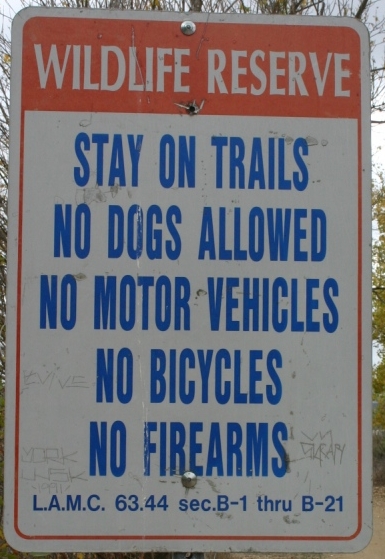
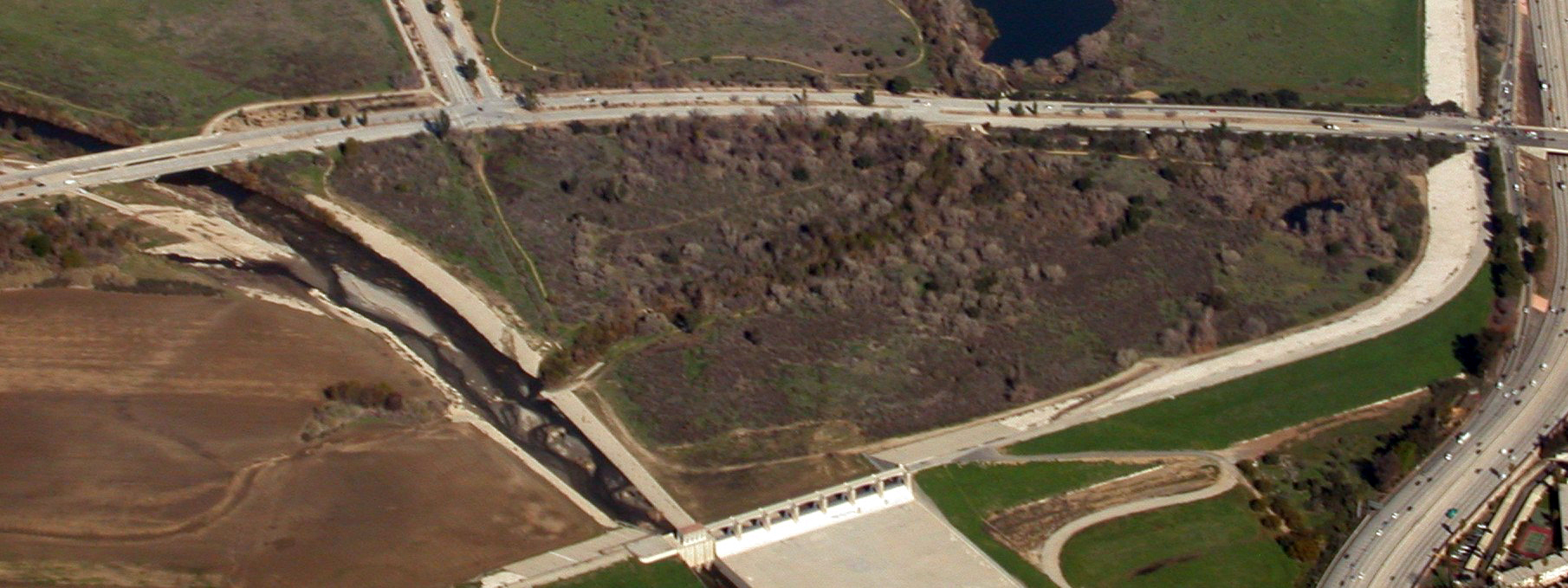
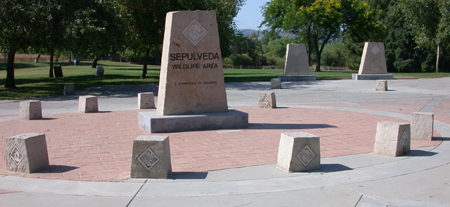
In 1979 the Corp of Engineers developed the first area of the Wildlife Reserve (formerly called the South Reserve), an approximate 48 acre parcel located south of Burbank Blvd and bordered by the Los Angeles River and the Sepulveda Dam on the east and south. A “pothole” pond (fed with piped-in fresh water) was created, and vegetation representing coastal sage scrub and riparian woodlands were planted.
This area was drastically altered in December 2012 and as of January
2013 there were ongoing negotiations between environmental groups and
the Army Corps of Engineers (see section above below upcoming events). |
||
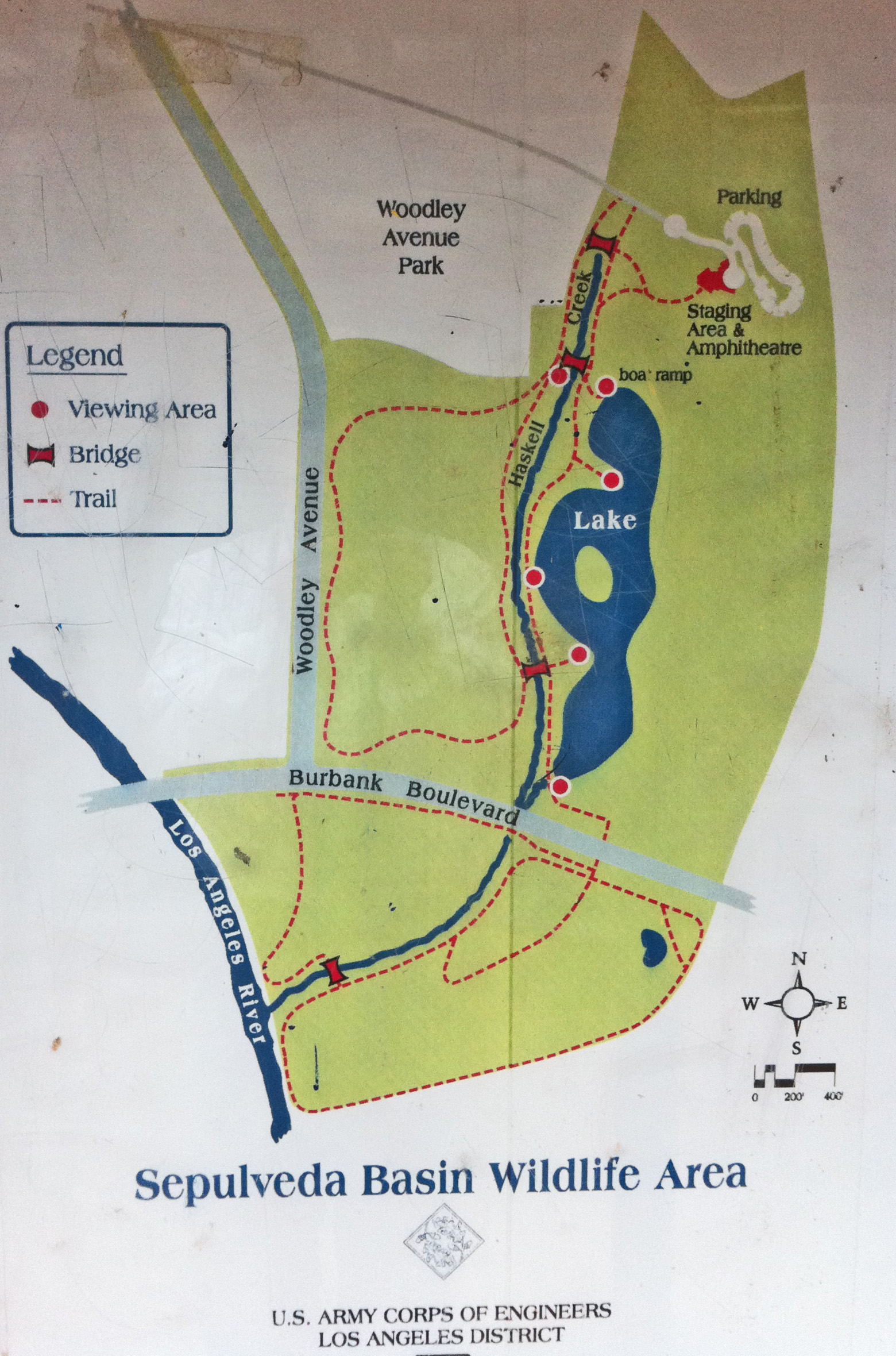
The approximate 60-acre North Reserve (north of Burbank Blvd., east of Haskell Creek, west of the Dam) was developed in 1988, featuring an 11-acre lake with an island and wildlife viewing stations. Various revegetation projects have been undertaken since then. |
||
 |
 |
|||
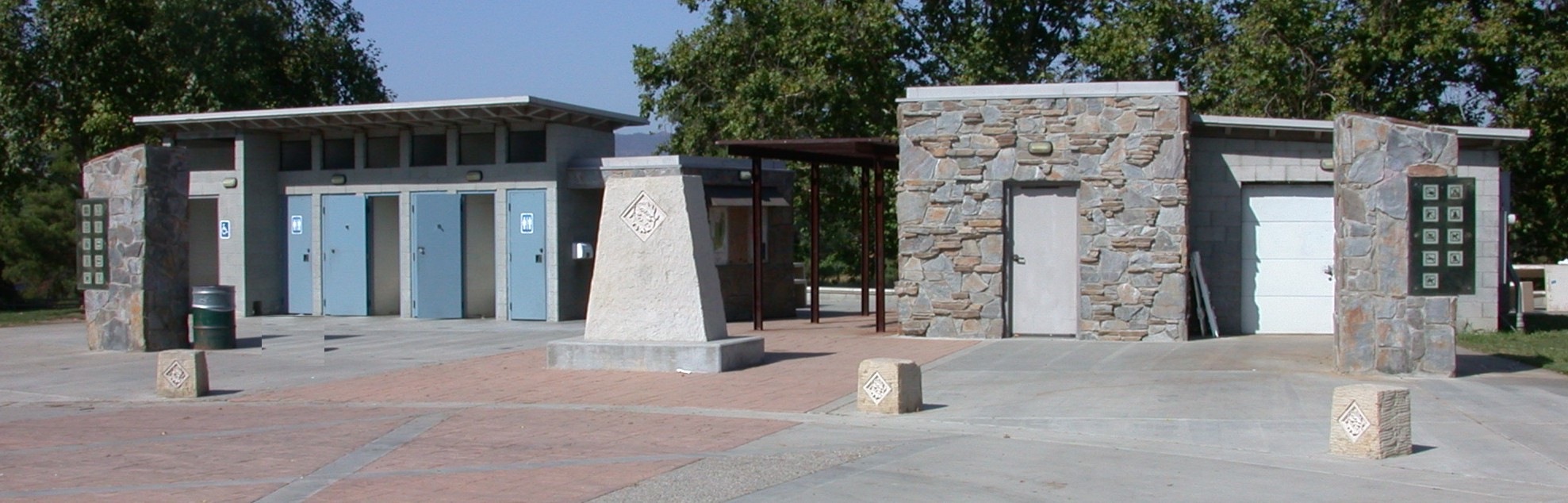
the reserve entrance and restrooms. |
||||
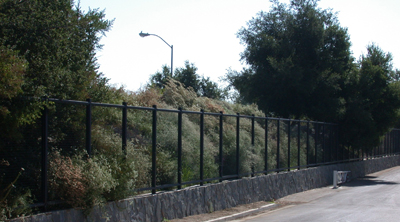
In 1991 the Tillman Water Reclamation Plant Flood Protection Project was finalized, and subsequently a berm was built around the Water Reclamation Plant to protect it from flooding, compensating excavation was performed in various places, and the outflow from the Water Reclamation Plant was rerouted under the dam so the outflow was outside (to the south) of the Dam. The 7-acre berm was planted with California native plants and is the largest native landscaping project developed by the City of Los Angeles. |
 |
|||
In 1994, the City and Federal governments agreed to sharing the costs on $11 million in improvements in the Sepulveda Basin. The wildlife are was expanded 110 acres to the west of Haskell Creek (on either side of Woodley Avenue). Additional facilities in the wildlife area included trails, restrooms and staging area, signs, benches, viewing blinds and parking. This project was completed in 1999. |
||
 |
Member Organizations and Affiliated Agencies |
 SFV Audubon |
 California Native Plant Society |
 L.A. Audubon |
 Sierra Club, San Fernando Valley Group |
 |
 The
River Project The
River Project |
 FoLAR |
 LA City Rec and Parks |
 Resource Conservation District |
 The Japanese Garden |
 |
|
|
||
 |
||
Web page and design by Justin Baker. |
||
|
Last Updated 3/27/2024 |
||
 |
||